First Story
Young Writers Residential
The Josh Davies Foundation is proud to be partnering with First Story to fund the Young Writers Residential 2027.
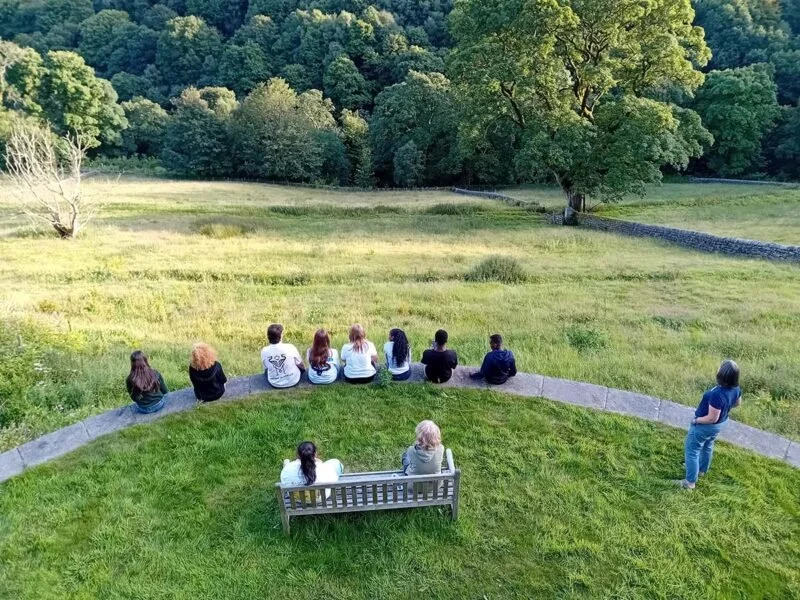
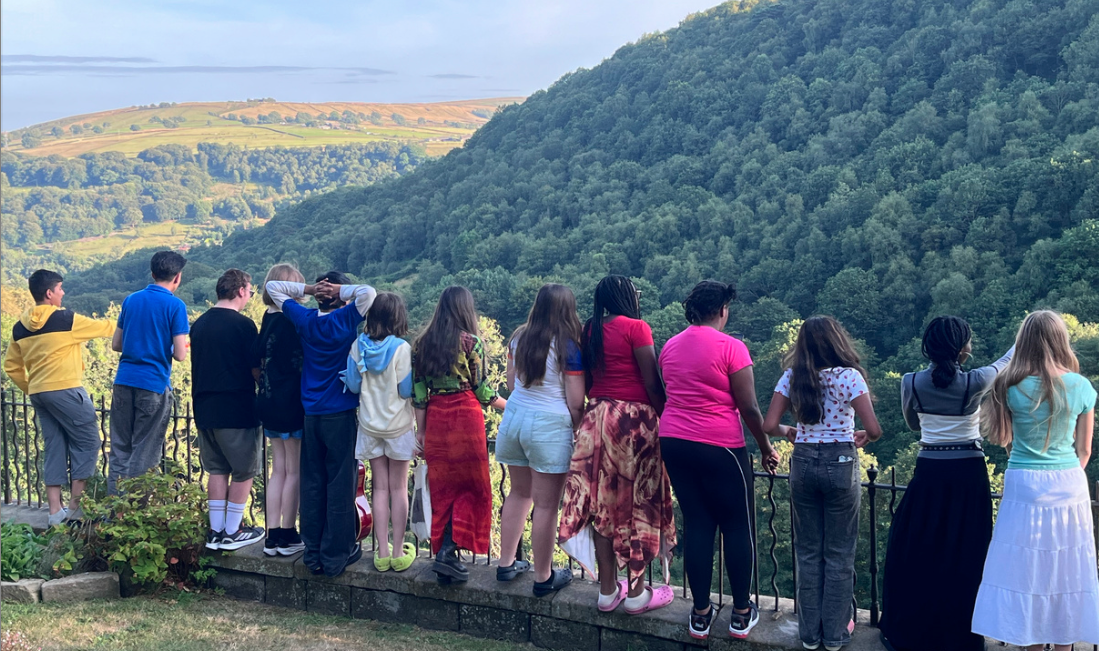
Each July, a group of First Story participants who show great potential during the academic year are awarded fully-funded places to attend a week-long residential. The residential is hosted by Arvon at an idyllic setting in rural West Yorkshire.
The residential is an incredibly valuable opportunity for aspiring young writers to develop their confidence, creativity and ability. They work intensively with professional practitioners, alongside a supportive group of like-minded peers, in a peaceful and inspiring natural environment. It’s a space where new friendships are forged, and attending can be a life-altering experience.
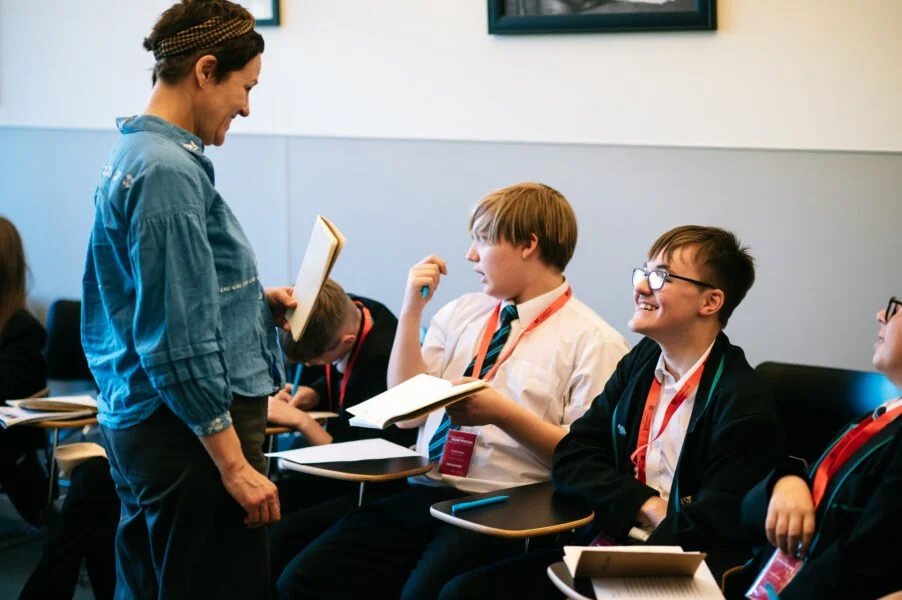
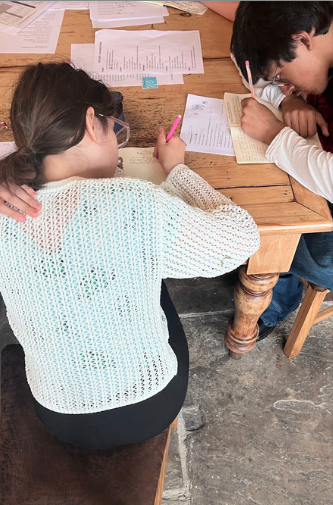
Residential week, from Monday to Friday, is a supervised programme of teaching and learning activities, including group workshops and one-to-one tutorials. It’s led by some of First Story’s most experienced writers, supported by First Story staff acting in loco parentis. Alongside lots of writing, there are social activities too, and the group is encouraged to cook and eat together. Time away from social media and mobile phones is also encouraged.
Residential Diary
Monday:
Arrival at Arvon
Icebreaker Activities
Board Games
Tuesday:
Writing Workshop 1: Poetry on small things I love
Writing Workshop 2: ‘Self-portait’ poetry
One-on-one tutorials with writers
Group meal cooking
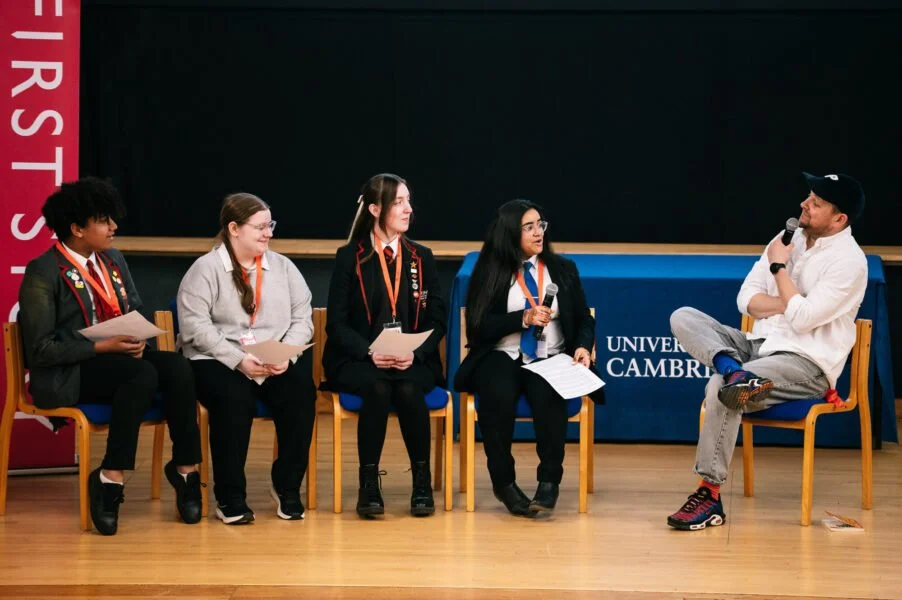
Q&A with writers
Wednesday:
Writing Workshop 1: Building characters
Writing Workshop 2: Short stories
Walk in Heptsonstall Woods
Visit to Sylvia Plath’s grave
Group meal cooking
Poetry performance
Thursday:
Writing workshop 1: Poetry in music
Writing workshop 2: Metaphors
Showcase rehearsals
Group meal cooking
Evening showcase
Friday:
Writing workshop: Group composition
Farewell
Participants
The writers who attend the residential are participants in the First Story Young Writers Programme, that runs throughout the year in schools across the Midlands, London, the North West and Yorkshire.
Interested candidates apply through an open application process in which 12-16 individuals are selected to attend the Residential based on their ability and potential alongside consideration of what they have shared in their personal statements. Below are selected extracts from candidates’ personal statements:
Ali (15) - Bradford
“This opportunity will help me develop my original writing skills. Being in a new environment, will help me to improve as a writer by exploring new styles and ideas from experienced writers. Being surrounded by other young writers would help me to get interesting feedback from people with similar perspectives as me.”
Cece (14) - Lewisham
“I really love being able to write creatively, as I feel it allows me to turn my ideas and thoughts into physical pieces. I enjoy writing as a form of art and creative expression, and I believe that attending this residential will only enhance my passion of creative writing.”
Jade (15) - Nottingham
“Stepping out of my comfort zone isn't always ideal but a lot of good things can happen if I do (eg. meeting new people and feeling more comfortable doing so). I realised I'll never know unless I try, and as daunting as it seems, a lot of good can come from change.”
Impact
The residential experience not only develops First Story’s most talented participants as writers, but it also plays a key role in building their confidence, social skills, independence and resilience.
As writers:
In workshops participants have the space to experiment and to push their creativity. Bringing this work to the one-to-one tutorials they receive highly personalised feedback that allows them to hone their craft and improve technically.
This experience also offers them a stepping stone to take writing further. The residential participants frequently take up other progression opportunities exclusively for First Story alumni such as the Folio Academy Mentorships, Young Writers Collective and the Philip Pyke Memorial Prize.
As individuals:
The residential experience has a large social component, with participants meeting each other for the first time and having to build relationships in a new environment.
Group activities form the core of the residential programme. Beyond writing, this includes group excursions and cooking together in the evening.
Making new relationships in a new environment and being encouraged to take responsibility for tasks has an important and lasting impact beyond the week. It gives them a newfound confidence both socially and at home as reported by almost all residential attendees.
About First Story
First Story exists to enable access to quality cultural education. The organisation works together with teachers, professional writers and others to provide opportunities for under'-served young people to participate in enriching creative writing activities.
The charity’s vision is a society that encourages and supports young people from all backgrounds to practise creative writing for pleasure, self-expression and agency. Their mission is to assist young people experiencing disadvantage to advance in life and realise their potential, by providing extracurricular support and enrichment activities that foster their creativity, literacy and talent, whilst developing confidence, skills and cultural capital.
The flagship Young Writers Programme places inspiring professional Writers-in-Residence in non-selective secondary schools serving low-income communities. Their writers work intensively over an academic year with a consistent group of students, towards publication of a printed anthology. Regular national competitions and events, plus resources, training and support for teachers, complement the core provision.
Participants in a First Story group are encouraged to develop their unique voice and taught to tell their own stories with confidence and skill. The growing portfolio of exclusive opportunities for First Story alumni provides a progression pipeline for talent.
Cultural and creative activities are essential to support young people’s social and emotional learning and the development of vital non-cognitive skills that underpin learning, aspiration, progress and attainment. Creative writing fosters experimentation, risk and resilience; it cultivates curiosity and play, whilst teaching self-discipline and persistence. Writing regularly can support mental health and wellbeing, as much as furthering literacy and attainment.